
Everything You Need to Know About the Biggest Football Tournament in History

Meta Title: FIFA World Cup 2026: Complete Guide, Host Countries, Teams & Tournament Format
Meta Description: Discover everything about the FIFA World Cup 2026, including the host countries, tournament format, qualified teams, stadiums, schedule, star players, and why this edition is set to become the biggest World Cup in football history.
Focus Keyword: FIFA World Cup 2026
SEO URL Slug: fifa-world-cup-2026-guide
The FIFA World Cup 2026 is set to become the most ambitious and exciting football tournament ever organized. Featuring more teams, more matches, and three host nations, this historic edition will redefine the global football experience. Fans from every corner of the world are eagerly awaiting a competition that promises unforgettable moments, legendary performances, and record-breaking attendance.
For the first time in FIFA World Cup history, the tournament will be jointly hosted by the United States, Canada, and Mexico, making it the largest sporting event ever held across North America. From state-of-the-art stadiums to passionate supporters and world-class infrastructure, the FIFA World Cup 2026 is expected to raise the standard for international football competitions.
Whether you are a lifelong football supporter or someone discovering the excitement of the World Cup for the first time, this comprehensive guide covers everything you need to know.
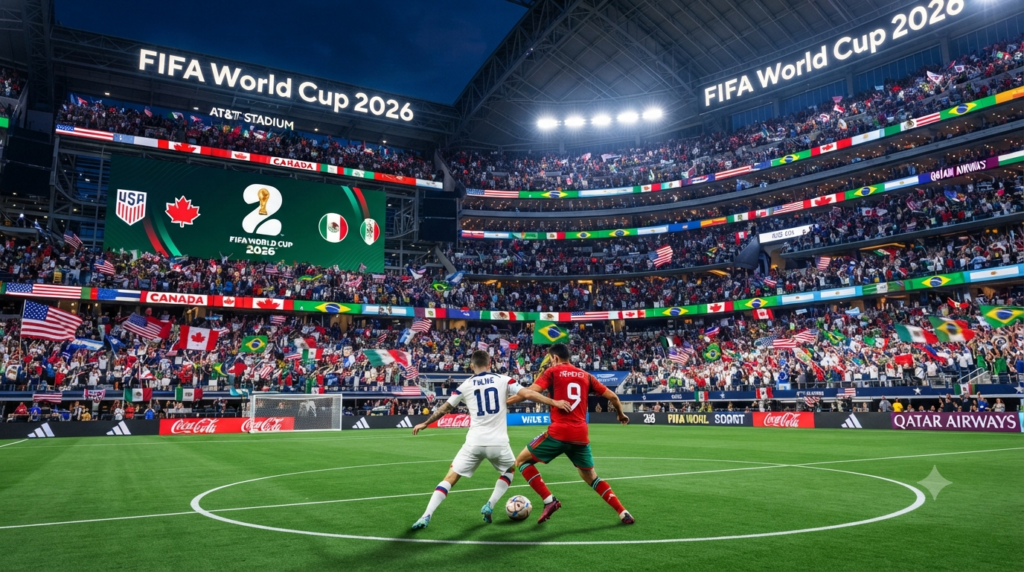
Why FIFA World Cup 2026 Is Historic
The 2026 edition represents one of the biggest changes in FIFA World Cup history. Instead of the traditional 32-team format, the tournament will feature 48 national teams, creating more opportunities for countries across every continent to compete on football’s biggest stage.
This expansion reflects FIFA’s goal of making the tournament more inclusive while increasing global participation and fan engagement.
Some of the major changes include:
- 48 participating national teams
- More than 100 matches throughout the tournament
- Three host countries
- New qualification opportunities for emerging football nations
- Increased global television audience
- Record-breaking ticket demand
The tournament is expected to become the most watched sporting event in history, attracting billions of viewers worldwide.
Host Countries
One of the most exciting aspects of the FIFA World Cup 2026 is its unique hosting arrangement.
United States

The United States will host the majority of the tournament’s matches. Known for its world-class sporting infrastructure, the country offers modern stadiums, excellent transportation networks, and extensive accommodation options for international visitors.
Several iconic cities are preparing to welcome millions of football fans, including:
- New York/New Jersey
- Los Angeles
- Dallas
- Miami
- Atlanta
- Seattle
- Philadelphia
- Houston
- Kansas City
- Boston
- San Francisco Bay Area
These cities regularly host major sporting events, making them ideal venues for football’s biggest tournament.
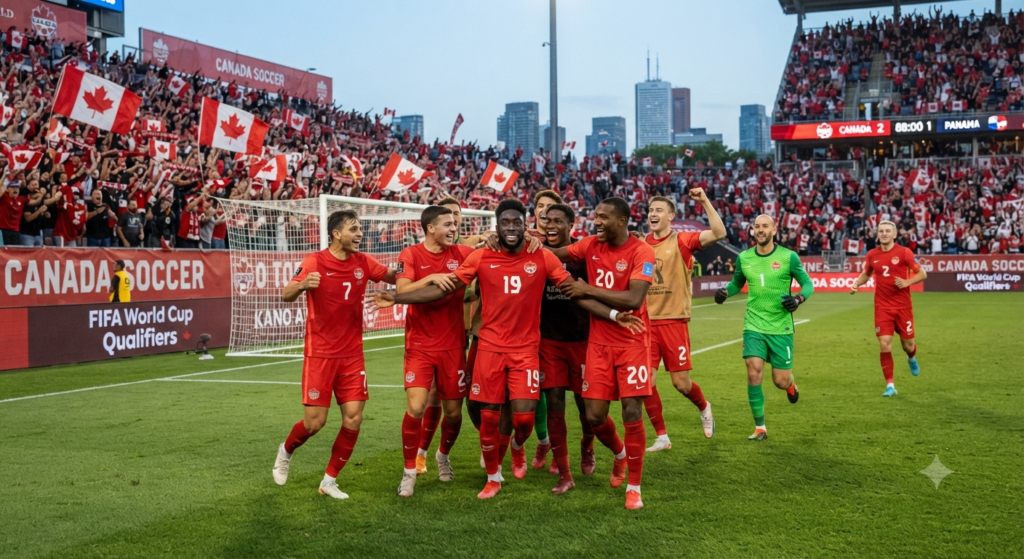
Canada
Canada will host selected group-stage and knockout matches. Canadian football has experienced tremendous growth over the past decade, with increasing investment in youth development and professional leagues.
Host cities include:
- Toronto
- Vancouver
Both cities are recognized for their modern stadiums, multicultural communities, and outstanding hospitality.
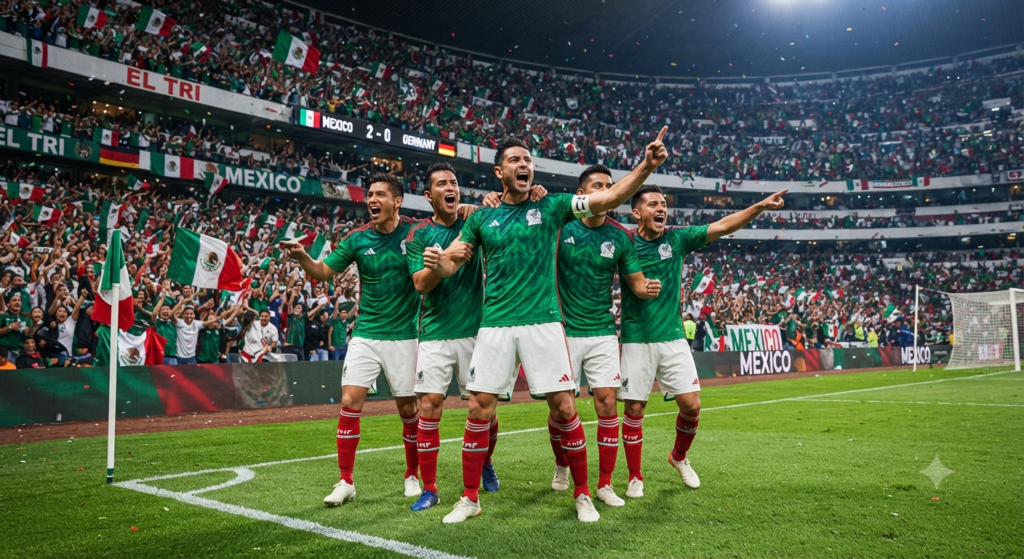
Mexico
Mexico becomes the first country in history to host matches in three different FIFA World Cups, having previously welcomed the tournament in 1970 and 1986.
Host cities include:
- Mexico City
- Guadalajara
- Monterrey
Mexico’s passionate football culture guarantees an unforgettable atmosphere for players and supporters alike.
New Tournament Format
The FIFA World Cup 2026 introduces an expanded competition format designed to provide more excitement while maintaining competitive balance.
Group Stage
- 48 national teams
- 12 groups
- Four teams per group
The top teams from each group, along with the best third-placed teams, will advance to the knockout stage.
This format allows more nations to experience the World Cup while increasing the number of high-quality matches.
Knockout Stage
The knockout rounds become even more dramatic with the introduction of the Round of 32, followed by:
- Round of 16
- Quarter-finals
- Semi-finals
- Third-place play-off
- Final
Every knockout match will carry enormous pressure, where one mistake could end a nation’s dream of lifting the FIFA World Cup Trophy.
Qualified Teams
Thanks to the expanded tournament, more countries have qualified than ever before.
Traditional football giants are expected to compete, including:
- Argentina
- Brazil
- France
- Germany
- England
- Spain
- Portugal
- Italy (if qualified)
- Netherlands
- Belgium
In addition, several emerging football nations have earned opportunities to showcase their talent on the global stage.
This broader representation highlights the rapid development of football across Asia, Africa, North America, and the Middle East.
Stadiums and Venues
The FIFA World Cup 2026 will be played in some of the world’s most impressive stadiums.
These venues combine cutting-edge technology with massive seating capacities, creating unforgettable experiences for spectators
Features include:
- Ultra-HD giant screens
- Modern transportation access
- Enhanced fan zones
- Premium hospitality areas
- Advanced security systems
- Sustainable stadium operations
Many of these venues regularly host NFL games, international concerts, and major sporting events, ensuring world-class facilities for players and fans alike.
Players to Watch
Every FIFA World Cup introduces a new generation of football stars.
Although final squads will depend on team selections and player fitness, several world-class footballers are expected to attract global attention.
Fans will closely follow established superstars alongside exciting young talents who could use the tournament as their breakthrough moment.
Key qualities to watch include:
- Exceptional speed
- Creative playmaking
- Clinical finishing
- Leadership under pressure
- Tactical intelligence
- Goalkeeping brilliance
As always, unexpected heroes often emerge during the World Cup, creating unforgettable stories that become part of football history.
