
The Complete Beginner’s Guide to Importing from China
Meta Description: Discover everything you need to know about importing from China with our comprehensive beginner’s guide, covering suppliers, shipping, costs, and more.
URL Slug: complete-beginners-guide-importing-from-china
Table of Contents
- Introduction
- Why Import from China?
- Benefits and Risks
- How the Import Process Works
- Product Selection
- Market Research
- Finding Reliable Chinese Suppliers
- Alibaba vs Made-in-China vs Global Sources
- Supplier Verification
- Factory Audits
- Sample Orders
- Negotiation Strategies
- Payment Methods
- Incoterms Explained
- Manufacturing Process
- Private Label & OEM
- ODM Manufacturing
- MOQ Explained
- Quality Inspection
- Packaging Standards
- Shipping Methods
- Air Freight
- Ocean Freight
- Express Shipping
- Freight Forwarders
- Customs Clearance
- Import Duties
- Taxes
- Landed Cost Calculation
- Product Compliance
- Common Beginner Mistakes
- Red Flags
- Import Scam Prevention
- Practical Import Checklist
- Frequently Asked Questions (20+ FAQs)
- Final Thoughts
- Call to Action
The Complete Beginner’s Guide to Importing from China
Introduction
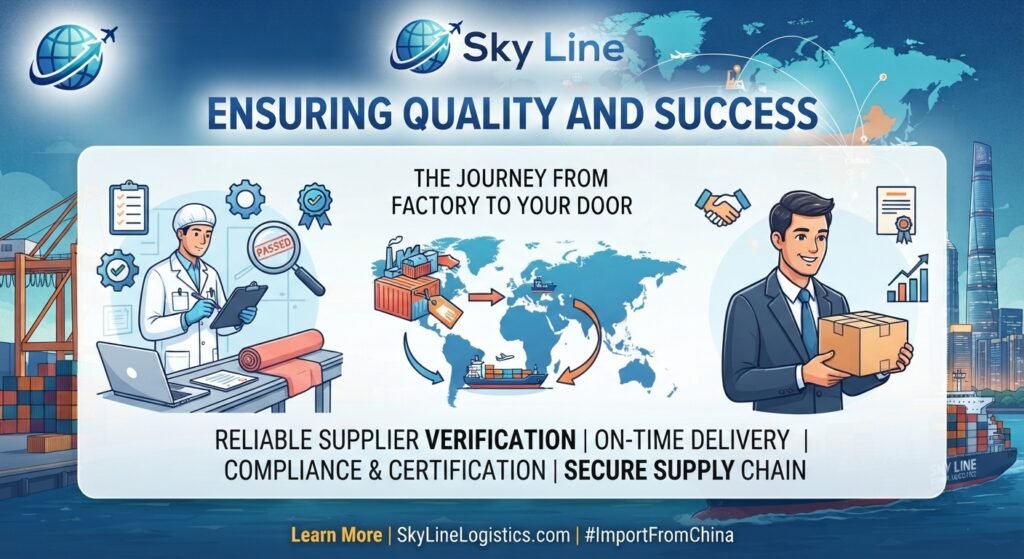
Importing from China has become a cornerstone of global trade, offering businesses worldwide access to cost-effective manufacturing and a vast array of products. Whether you’re an entrepreneur, an eCommerce store owner, or someone embarking on an Amazon FBA journey, understanding the intricacies of importing from China is crucial for success. This guide provides a comprehensive overview, designed to equip beginners with the knowledge needed to navigate the importing process confidently.
Why Import from China?
China’s robust manufacturing capabilities, competitive pricing, and diverse product range make it a prime destination for sourcing goods. By importing from China, businesses can benefit from significant cost savings, access to cutting-edge products, and the ability to customize and scale their operations.
Benefits and Risks
Benefits:
- Cost Efficiency: Lower manufacturing costs and economies of scale.
- Product Variety: Extensive selection across various industries.
- Innovation: Access to the latest technology and trends.
Risks:
- Quality Control: Potential for inconsistent product quality.
- Communication Barriers: Language and cultural differences.
- Regulatory Compliance: Navigating complex import regulations.
How the Import Process Works
Understanding the import process is fundamental to ensuring a smooth transaction. It involves several key steps:
- Product Selection: Identify products that align with market demand and business goals.
- Supplier Engagement: Source and vet suppliers through platforms like Alibaba.
- Order Placement: Negotiate terms, place orders, and manage payments.
- Shipping and Logistics: Choose appropriate shipping methods and handle customs clearance.
- Quality Assurance: Implement quality control checks and inspections.
Product Selection
Choosing the right products is pivotal to importing success. Conduct thorough market research to identify trends, evaluate competition, and determine potential profit margins. Consider factors such as demand, seasonality, and customer preferences.
Market Research
Utilize tools like Google Trends, Amazon Best Sellers, and industry reports to gather insights into product demand and customer behavior. Analyze competitor offerings and identify gaps in the market that your products can fill.
Finding Reliable Chinese Suppliers
Partnering with credible suppliers is crucial. Platforms like Alibaba, Made-in-China, and Global Sources provide access to a wide range of manufacturers. Evaluate suppliers based on their experience, product quality, and customer reviews.
Alibaba vs Made-in-China vs Global Sources
Comparison Table
| Platform | Specialization | Key Features |
| Alibaba | General marketplace | Wide variety, strong supplier verification |
| Made-in-China | Industrial components | Detailed product categories |
| Global Sources | Electronics and gadgets | Advanced search filters |
Supplier Verification
Verify suppliers by checking their business licenses, certifications, and references. Use third-party verification services or visit trade shows to meet suppliers in person.
Factory Audits
Conduct factory audits to ensure compliance with quality standards and ethical practices. Audits assess production capabilities, environmental policies, and worker conditions.
Sample Orders
Request sample orders to evaluate product quality, packaging, and adherence to specifications. Samples provide a tangible basis for negotiation and quality assurance.
Negotiation Strategies
Effective negotiation can lead to better pricing, terms, and conditions. Prepare by understanding market rates, establishing clear goals, and building rapport with suppliers.
Payment Methods
Common payment methods include bank transfers, letters of credit, and escrow services. Choose methods that balance security and convenience, while aligning with supplier preferences.
Incoterms Explained
Incoterms define the responsibilities of buyers and sellers in international transactions. Familiarize yourself with terms like FOB, CIF, and EXW to ensure clear agreements on shipping and delivery.
Manufacturing Process
Understanding the manufacturing process allows you to plan for lead times, quality checks, and potential delays. Engage in regular communication with suppliers to stay informed.
Private Label & OEM
Private labeling and OEM (Original Equipment Manufacturer) options allow businesses to customize products with their brand, offering differentiation in the market.
ODM Manufacturing
ODM (Original Design Manufacturer) services provide ready-made designs that can be branded and marketed as your own, saving time and development costs.
MOQ Explained
MOQ, or Minimum Order Quantity, is the smallest order size a supplier will accept. Negotiate MOQ based on your budget and market demand to optimize inventory levels.
Quality Inspection
Implement rigorous quality inspection processes to ensure products meet specifications and standards. Consider third-party inspection services for unbiased assessments.
Packaging Standards
Adhere to packaging standards that protect products during transit and comply with import regulations. Good packaging enhances product appeal and minimizes damage.
Shipping Methods
Choose from air freight, ocean freight, and express shipping based on factors like cost, speed, and product type. Each method has its own advantages and considerations.
Air Freight
Ideal for small, high-value items requiring quick delivery. Air freight is faster but more expensive than ocean shipping.
Ocean Freight
Suitable for large shipments and bulk goods, offering cost-effective rates albeit with longer transit times.
Express Shipping
Expedited services like DHL and FedEx provide fast delivery for urgent shipments, with premium pricing.
Freight Forwarders
Freight forwarders handle logistics, documentation, and customs clearance on your behalf, simplifying the import process and reducing the risk of errors.
Customs Clearance
Navigating customs clearance involves submitting accurate documentation and paying duties and taxes. Work with experienced customs brokers to streamline the process.
Import Duties
Import duties vary by product type and country of origin. Calculate duties as part of your landed cost to ensure accurate pricing and profitability.
Taxes
Understand applicable taxes, including VAT and GST, for your target market. Register for necessary tax IDs to comply with local regulations.
Landed Cost Calculation
Calculate landed costs by including product costs, shipping fees, duties, taxes, and additional expenses. Accurate calculations are essential for pricing and profitability.
Product Compliance
Ensure products comply with safety, health, and environmental regulations in your target market. Non-compliance can lead to fines, recalls, or legal action.
Common Beginner Mistakes
Avoid common pitfalls such as insufficient market research, poor supplier selection, and inadequate quality control. Learn from the experiences of other importers to mitigate risks.
Red Flags
Watch for red flags like unreasonably low prices, lack of a physical address, and poor communication. These indicators can signal potential scams or unreliable suppliers.
Import Scam Prevention
Protect yourself from scams by conducting due diligence, using secure payment methods, and employing third-party verification services.
Practical Import Checklist
- [ ] Conduct market research
- [ ] Identify reliable suppliers
- [ ] Verify supplier credentials
- [ ] Place sample orders
- [ ] Negotiate terms and pricing
- [ ] Arrange shipping and logistics
- [ ] Perform quality inspections
- [ ] Ensure product compliance
- [ ] Calculate landed costs accurately
Frequently Asked Questions (FAQs)
- What are the best products to import from China?
- How do I find reliable Chinese suppliers?
- What is the best platform for sourcing products?
- How can I ensure product quality?
- What are Incoterms and why are they important?
- How do I calculate landed cost?
- What are the main shipping options from China?
- How can I prevent import scams?
- What documents are needed for customs clearance?
- How do I manage import duties and taxes?
- What is the role of a freight forwarder?
- How do I handle returns and refunds?
- What are common red flags in supplier communication?
- How do I negotiate effectively with suppliers?
- How do I choose between OEM and ODM?
- What is MOQ and how can I negotiate it?
- How do I set up a private label brand?
- What are the benefits of using Alibaba for sourcing?
- How do I ensure compliance with safety regulations?
- What are the risks of importing from China?
Final Thoughts
Importing from China offers a wealth of opportunities for businesses looking to expand their product offerings and increase profitability. By understanding the process, conducting thorough research, and building strong supplier relationships, you can navigate the complexities of international trade with confidence.
Call to Action
Ready to start your importing journey? Work with a professional sourcing company to ensure smooth transactions and achieve your business goals. Contact us today for expert guidance and support.
Internal Linking Suggestions:
- Link to articles on market research techniques
- Guide to effective supplier communication
- Comprehensive customs clearance checklist
External Authority References:
- World Trade Organization’s Guide on Import Regulations
- Alibaba’s Supplier Verification Program
Image Suggestions:
- Infographics of the import process
- Comparison of shipping methods
- Photos of typical Chinese manufacturing facilities
ALT Text for Every Image:
- Overview of the import process from China
- Comparison chart of Alibaba, Made-in-China, and Global Sources
- Factory audit process illustration
FAQ Schema-ready Questions:
- What are the best products to import from China?
- How do I find reliable Chinese suppliers?
- What are the main shipping options from China?
Article Schema Suggestions:
- Use Article schema for enhanced visibility in search engines
Breadcrumb Suggestions:
- Home > Guides > Importing > China
This guide aims to be your go-to resource for all things related to importing from China, providing you with the expertise and insights needed to succeed in the global marketplace.
The Complete Beginner’s Guide to Importing from China
